Ears of Corn
A Seasonal Embroidery Design for Holiday and Farm-Inspired Projects
As an experienced embroidery designer, I review designs with a keen eye for seasonal appeal and practical use. Ears of Corn caught my attention immediately with its warm, rustic charm and subtle nod to the harvest season. This design is not just a visual treat—it’s a versatile tool for creating holiday-themed products that resonate with customers looking for meaningful handmade gifts.
The First Impression: A Cozy Autumn Mood
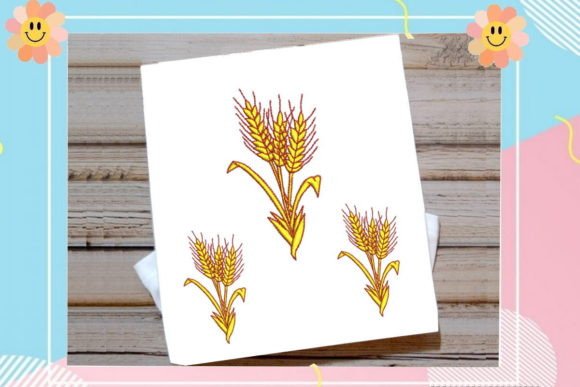
Ears of Corn exudes a nostalgic, cozy feel that perfectly aligns with autumn and fall festivities. The design features detailed corn stalks and ears, rendered in a soft, natural palette that feels both rustic and elegant. It carries a gentle, inviting tone that’s ideal for seasonal product lines like holiday embroidery and seasonal embroidery.
The level of detail is impressive—each leaf and tassel is carefully stitched, giving the design a handcrafted look that appeals to those who value quality and authenticity. Whether used on clothing or home decor, Ears of Corn adds a touch of warmth and charm that stands out during the holiday season.
Practical Use in Real Holiday Selling Situations
One of the strengths of Ears of Corn is its adaptability. It works beautifully across a range of small shop product categories, from sweatshirt embroidery to kitchen towel embroidery, and even pillow cover and embroidered patch designs. This versatility makes it a valuable addition to any seasonal collection, especially for Etsy sellers aiming to create gift bundles or limited edition apparel.
For personalized gift creators, Ears of Corn can be paired with other farm-inspired designs to form cohesive sets, such as family matching items or themed home decor collections. Its visual recognition factor is strong, making it easy for customers to identify and remember your brand during busy holiday shopping periods.
When it comes to printable mockup creation, Ears of Corn lends itself well to social media previews and product listings. Its aesthetic fits naturally into handmade gift and commercial embroidery contexts, helping to build trust and encourage purchases through consistent branding.
Where to Use Ears of Corn Carefully
While Ears of Corn is highly versatile, there are a few considerations to keep in mind when using it in specific applications. For instance, the design includes small details and layered elements that may not translate well to very small hoop sizes. Similarly, the intricate stitching could be affected by thick fabrics like towels or dark-colored materials where thread visibility might be an issue.
It’s also important to note that Ears of Corn features some delicate lettering and textures that require careful handling. When working with stretchy garments or curved caps, using the right stabilizer and confirming the appropriate hoop size will ensure the best results. Additionally, repeated washing can impact the longevity of the design, so it’s wise to recommend proper care instructions for finished products.
Seasonal Appeal and Emotional Impact
Seasonal appeal is key for holiday embroidery and seasonal embroidery projects, and Ears of Corn delivers on this front. Its warm, familiar imagery evokes feelings of comfort and nostalgia, which are highly desirable during the holidays. Customers often seek out products that carry emotional weight, and Ears of Corn offers that through its connection to the harvest and family traditions.
From a business perspective, the design enhances product value and giftability. It’s perfect for creating personalized gift options that customers will cherish and share. The combination of visual appeal and emotional resonance helps build customer trust and encourages repeat purchases, especially among small shop product sellers and handmade gift creators.
Design Notes for Embroidery Professionals
Before using Ears of Corn, I recommend testing thread colors on both light and dark fabric to ensure the design maintains its intended appearance. Checking stitch density is also essential to avoid issues with fabric texture or durability, particularly on items that will undergo frequent washing.
Confirming the correct hoop size and using the right stabilizer will help maintain the integrity of the design, especially when working with delicate or textured fabrics. Creating realistic printable mockups allows you to preview how the design will look on different products before finalizing your finished product listings.
Finally, always review small details after stitching to catch any potential issues, and plan matching color palettes that complement the design. If you intend to sell the finished products commercially, be sure to confirm commercial licensing terms to ensure compliance with usage rights.