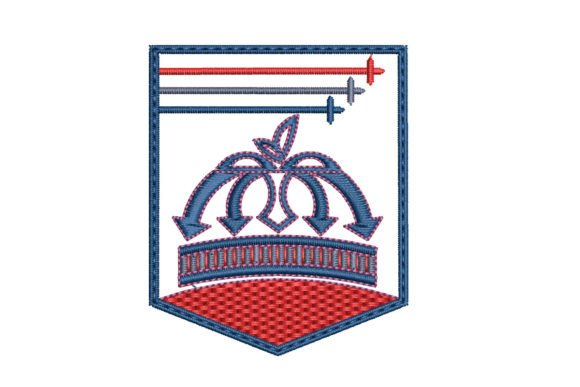
A Pocket of Personality
When I first laid eyes on Pocket, I was immediately drawn to its clean lines and subtle elegance. It’s the kind of design that feels like it belongs in a well-tailored shirt, but also has the versatility to work across a range of projects. The shape is simple yet refined, with a slight curve that suggests both function and style. It doesn’t shout for attention, but it definitely holds its own. As someone who works with embroidery designs daily, I found myself thinking about how this could fit into a custom tote bag or even a baby onesie—places where simplicity often speaks louder than complexity.
Real-World Use Cases
Pocket is not just a design—it’s an idea. Its minimalist aesthetic makes it ideal for a variety of applications, from custom apparel to sweatshirt embroidery. I can already picture it on a vintage-style apron, adding a touch of sophistication to a kitchen essential. Or perhaps as a personalized gift on a holiday sweater, where the design becomes a meaningful detail rather than a distraction.
It’s also surprisingly adaptable. While it’s designed for a pocket, its structure allows it to be repurposed for embroidered patches, pillow covers, or even holiday embroidery on a festive table runner. The key here is that Pocket isn’t trying to be everything—it’s focused, intentional, and ready to be part of something bigger.
Stitching Performance and Practical Considerations
Before committing to a design, I always test it on scrap fabric. Pocket performed well in my initial tests, with clear stitch paths and consistent density. However, there are a few things to consider when using it in real-life scenarios.
- Small Hoop Sizes: Due to its size, Pocket might require a larger hoop for optimal stitching, especially if you're working on a detailed area like a cap or a curved surface.
- Textured Fabrics: While it looks great on smooth materials like cotton or linen, it may show more visible stitching on textured fabrics such as denim or canvas.
- Dark Fabrics: On darker backgrounds, the contrast between thread color and fabric can be less pronounced. Always test with your chosen thread colors before finalizing.
- Stretchy Fabrics: If you're planning to use Pocket on a stretchy material like a sweatshirt, make sure to use proper stabilizer to maintain shape and prevent puckering.
- Layered Garments: If you're embroidering over existing seams or layers, ensure that the design is placed in an area that won’t interfere with the garment’s structure.
Design Clarity and Visual Appeal
The clarity of Pocket is one of its strongest assets. Each stitch is clean, and the overall layout is easy to follow. This makes it a great choice for both beginners and experienced designers looking for a reliable, repeatable design.
From a visual standpoint, Pocket adds a sense of refinement without overwhelming the piece. It’s the kind of design that elevates a project without overpowering it. Whether used on a custom apparel item or a handmade product, it maintains a cohesive look that aligns with a polished brand identity.
Handmade Product and Brand Consistency
As a designer, I know that consistency is key in building a brand. Pocket offers the potential for design assets that can be used across multiple products, from Etsy listings to small shop merchandise. It’s versatile enough to be featured on a teapot cover or a blanket, while still maintaining its core identity.
When considering brand consistency, Pocket is a safe bet. It doesn’t demand too much from the fabric or the stitching process, which means it’s less likely to become a point of criticism in customer reviews. That said, it’s important to check the stitch density and hoop size compatibility before mass production to avoid any issues with quality or presentation.
Practical Designer Notes
If you’re planning to use Pocket in a commercial or craft business setting, here are a few practical tips:
- Test on Scrap Fabric: Always do a test run to ensure the design stitches cleanly and looks as intended.
- Check Thread Color Contrast: Ensure your chosen thread colors provide enough contrast against the fabric background.
- Confirm Hoop Size: Make sure the design fits comfortably within your hoop to avoid tension issues.
- Use Proper Stabilizer: Especially on delicate or stretchy fabrics, stabilizer is essential for a clean finish.
- Review Stitch Density: A high stitch density can affect the durability and appearance of the finished product.
- Test in Black and White Mockups: This helps identify any potential visibility issues on dark or light fabrics.
- Consider Licensing: If you plan to sell finished items or digital products, confirm the licensing terms before proceeding.
Final Thoughts on Pocket
Pocket is a design that balances simplicity with sophistication. It’s not flashy, but it’s far from basic. Whether you're creating a personalized gift, a commercial embroidery project, or a digital embroidery file for your craft business, Pocket offers a reliable and elegant solution.
With a little care and consideration, Pocket can become a staple in your design library—one that adds value to your handmade products and enhances the overall appeal of your brand. Just remember to test, adjust, and always prioritize quality in every step of the process.