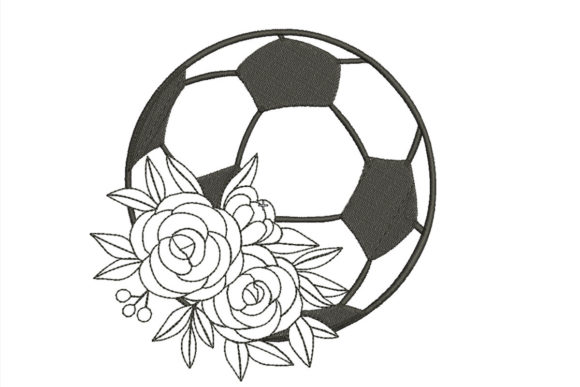
Soccer Ball in Flowers
First Impression: Playful, Polished, and Unexpectedly Sophisticated
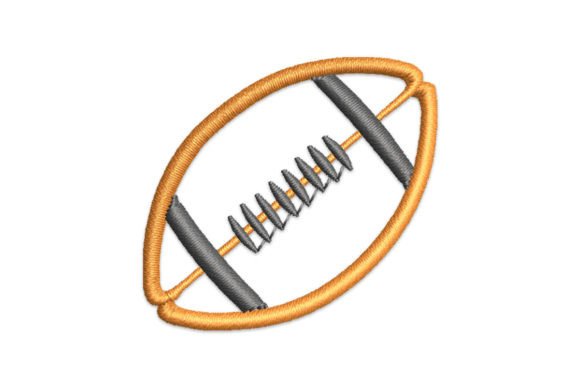
When I first read Soccer Ball in Flowers, I didn’t picture a cartoonish ball or a cluttered floral explosion—I saw balance. It’s bold enough to catch eyes across a crowded craft fair aisle, yet refined enough to hold its own on a linen tea towel or a minimalist pillow cover. This isn’t “sports-themed novelty” or “cute-but-forgettable.” It’s modern botanical meets athletic energy—clean lines, intentional negative space, and a confident fusion that feels fresh without trying too hard. For Etsy sellers and boutique makers, that duality is gold: it appeals to soccer moms, design-conscious teens, gym-to-cafe commuters, and even interior-savvy gift buyers.
Where It Shines: Craft Fair Product Realities
In my booth setup—think embroidered tote bags stacked beside aprons, tea towels draped over a wooden crate, and patches pinned to a denim banner—Soccer Ball in Flowers stands out strongest when scaled intentionally. On a 12" × 14" tote bag? Perfect as a centered focal point. On a chef-style apron? Ideal just above the pocket—large enough to read, detailed enough to admire up close. As tea towel embroidery? A single, well-placed design near the corner adds charm without overwhelming the fabric’s texture.
It also works beautifully as an embroidered patch—especially when backed with iron-on adhesive for easy application. Customers love grabbing a patch to personalize their backpacks or jackets right at the fair. And on small fabric pouches or cap visors? Yes—but only if stitched at 3.5"–4.5". Smaller, and the floral detail blurs; larger, and the soccer ball’s geometry loses definition. Pillow covers (18" square) are another sweet spot: the design reads clearly from three feet away and photographs exceptionally well for Instagram and Etsy listings.
What Makes It Sell: Clarity, Consistency, and Commercial Sense
Soccer Ball in Flowers succeeds because it’s instantly legible. No decoding required—just one glance and you recognize both elements. That matters immensely at a craft fair, where attention spans are measured in seconds. It also scales predictably: whether used as a 2.5" accent on a keychain or a 6" statement on a market bag, the proportions hold. That consistency builds trust in your brand—shoppers begin to associate your booth with thoughtful, balanced design assets.
For digital sellers and embroidery business owners, this machine embroidery design translates cleanly into printable mockups. Its contrast-rich composition (assuming thoughtful thread colors) renders sharply in flat-lay photos and lifestyle shots. And because it’s not overly dense or text-heavy, batch production stays efficient—no excessive trims, no frequent thread breaks during long runs on commercial machines.
Careful-Use Notes Every Designer Must Check
- Dense stitch areas: Floral clusters may require medium-weight cutaway stabilizer on knits or lightweight cottons—test on scrap first.
- Tiny details: Petal edges and panel seams on the ball can soften on textured towels or thick canvas. Reduce density slightly if needed.
- Curved surfaces: Caps and curved pouches demand precise hooping and possibly a smaller version—never force a 5" design onto a 3" curve.
- Dark fabric: Light thread colors will pop, but avoid pale yellows or creams on navy or charcoal unless you’ve tested visibility in natural light.
- Small sizes: Below 2.75", the ball’s hexagons and floral outlines risk merging. Stick to ≥3" for patches and apparel accents.
Design Integrity Meets Booth Impact
At the fair, Soccer Ball in Flowers doesn’t just decorate—it elevates. A simple cotton tote becomes a collectible. A plain apron gains personality. A tea towel transforms from kitchen staple to giftable handmade product. That perceived value lifts pricing confidence: you’re not selling fabric—you’re selling intention, craftsmanship, and aesthetic cohesion.
Visually, it strengthens your display by bridging categories. It sits comfortably beside rustic herb prints and sleek monochrome logos—making your booth feel curated, not scattered. Buyers linger longer when they see versatility like this. They imagine it on their gear, their home, their gifts—and that imagination drives sales.
Practical Embroidery Designer Notes Before You Stitch
Before cutting your first production run, do these six things:
- Test the embroidery file on scrap fabric matching your final product—same weight, same weave, same dye lot.
- Check thread contrast under both indoor and natural light; what looks vibrant on screen may mute on fabric.
- Review spacing between floral elements and ball contours—tight gaps can cause skipped stitches or puckering.
- Confirm hoop size compatibility with your machine and intended product (e.g., cap frames vs. flat hoops).
- Inspect stitch density—especially where petals meet ball panels—and adjust if needed for your fabric texture.
- Use the correct stabilizer: cutaway for stretchy fabrics, tear-away for stable wovens, and fusible + cutaway for structured items like pouches or caps.
Then—make at least one real mockup. Hang it on your booth display rail. Photograph it next to your best-selling item. Compare how it reads on light vs. dark fabric swatches. And always verify commercial licensing terms before selling finished products. This isn’t just a sports embroidery—it’s a small shop product with real revenue potential, so treat it like one.
Final Thought: A Design That Works as Hard as You Do
Soccer Ball in Flowers isn’t flashy for flashiness’ sake. It’s smart, adaptable, and quietly confident—exactly what handmade entrepreneurs need when every inch of booth space, every Etsy thumbnail, and every repeat customer matters. It invites engagement without shouting. It delivers quality without complexity. And when stitched right, it turns everyday items into conversation starters. That’s not just embroidery. That’s your next best-selling craft fair product.